The Hidden Costs of Neglecting Your Outdoor Hard Surfaces
Your driveway, paving, paths and patio do more than improve your home’s appearance. They provide safe access and help manage water around your property. Across Western Sydney, strong sunlight, summer storms, vehicle traffic and garden debris put these surfaces under regular pressure.
Leaving outdoor hard surfaces untreated can turn manageable maintenance into expensive repairs. Here are the hidden costs to watch for and practical ways to reduce them.
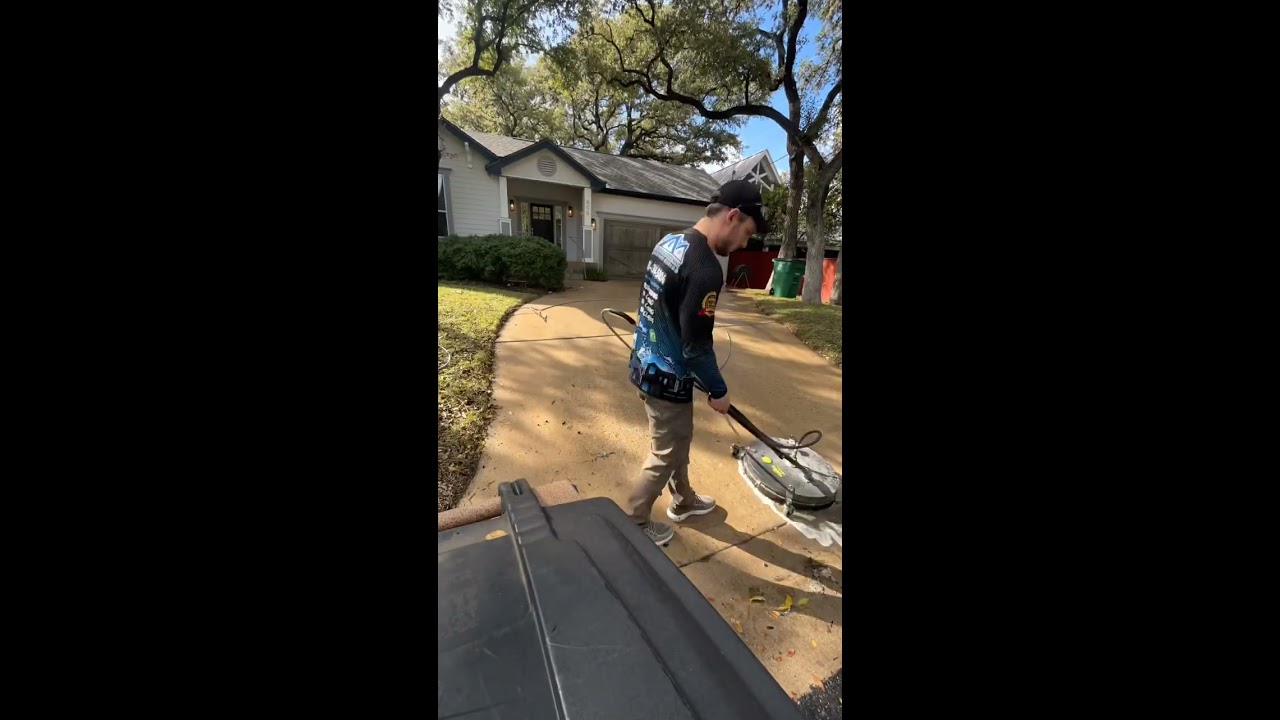
Small Defects Can Become Larger Repair Bills
A cracked driveway or loose paver is not always just a cosmetic issue. Water can enter gaps, while poor drainage can wash away bedding material beneath paving. Over time, sections may settle unevenly, creating puddles and trip hazards.
Some Western Sydney properties also have reactive clay soils, where changes in moisture can contribute to ground movement. Cleaning will not fix structural movement, but regular maintenance makes developing problems easier to spot.
Check cracks for changes in width, height or surrounding movement. Get professional advice if a crack grows, one side lifts, or water repeatedly collects near the house.
Slippery Surfaces Create Safety Risks
Shaded paths, pool surrounds and patios can develop algae and other organic growth, particularly where moisture lingers. Wet leaves, oil and accumulated grime can also reduce traction.
These conditions increase the risk of slips, especially on steps and sloping driveways. At commercial premises, neglected access areas may also create workplace safety and liability concerns.
Sweep away leaves regularly, remove spills promptly and address the source of persistent dampness. Cleaning helps remove slippery contamination, but it cannot correct unsuitable surface finishes or poor drainage.
Stains and Surface Damage Can Cost More to Restore
Oil, rust, leaf tannins and barbecue grease can penetrate porous concrete, pavers and natural stone. The longer contamination remains, the harder it may be to remove, and some stains remain visible even after treatment.

Incorrect cleaning adds another potential expense. Excessive water pressure can mark concrete, strip coatings, dislodge paving joint sand or damage softer stone. Acidic cleaners can etch acid-sensitive materials such as limestone and marble.
Identify the surface before choosing a cleaning method. Use a compatible product, follow its label and test a small, inconspicuous area first. For fresh oil spills, absorb excess liquid before cleaning rather than hosing it towards a drain.
Poor Drainage Adds to Maintenance Costs
Blocked channel drains and debris-filled surface pits allow water to pool during heavy rain. Persistent moisture encourages organic growth and can contribute to deterioration of paving joints and supporting materials.

Before forecast storms, clear accessible grates and remove loose debris. Repeated ponding needs investigation: the cause may be a blocked outlet, sunken paving or an unsuitable surface slope, rather than a cleaning problem.
Neglect Can Reduce Street Appeal
A stained driveway or weed-filled entrance can make an otherwise well-maintained property look tired. For homes being sold or leased, this may weaken first impressions. For local businesses, dirty https://pressurecleaningwesternsydney.com.au/house-washing/ entrances can affect how customers perceive the premises.
Routine care helps preserve appearance, but avoid assuming that every surface needs sealing. A suitable sealer may reduce staining on some materials; an unsuitable product can alter colour, trap moisture or affect slip resistance. Seek surface-specific advice before application.
A Practical Maintenance Plan for Western Sydney Properties
- Sweep regularly: Remove leaves, soil and grit, particularly around drains, steps and shaded areas.
- Inspect after heavy rain: Look for ponding, washed-out joints, loose pavers and new unevenness.
- Treat spills promptly: Use absorbent material and a surface-compatible cleaner.
- Clean according to condition: Base the schedule on shade, traffic and contamination rather than a fixed annual rule.
- Repair the underlying issue: Address drainage faults, unstable paving and deteriorating joints before they worsen.
Choose Cleaning That Protects Your Property
When arranging professional pressure cleaning in Western Sydney, ask how the contractor identifies surface materials, protects nearby gardens and manages wastewater. Wash water containing detergents, oil or sediment should not enter stormwater drains. Check current local council requirements and Sydney Water restrictions before work begins.
The cheapest clean is not always the lowest-cost option. A surface-appropriate approach, combined with timely repairs, helps protect your outdoor areas without creating avoidable damage or repeat work.
Western Sydney Pressure Cleaning
Unit 2/1 Cowpasture Pl, Wetherill Park NSW 2164
(02) 9000 1596